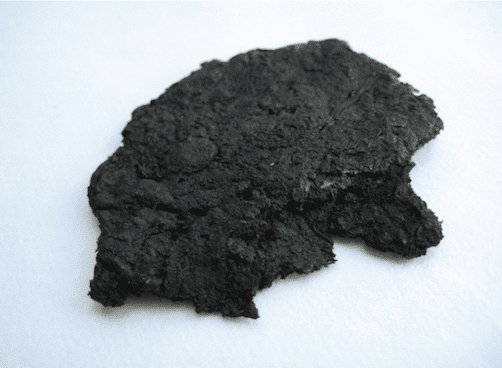
Rhizoma Polygonati (黃精 Huang Jing), the Qi tonifying herb
The older adults should consider use in the winter tonic [Huang Jing and meat broth] “延年祛病, 莫若黃精 (longevity and immunity, must use Huang Jing)” This is the health adage in the era of 唐朝Tang Dynasty (618 – 907A.D.). In the winter, [Huang Jing Tang] Soup of Huang Jing is tonic, and there is the merit of longevity and immunity. The prescription is as follows:
The original plant of Rhizoma Polygonati 黃精 (Huang Jing)
黃精 (Huang Jing) Rhizoma Polygonati 15 grams 黃蓍 (Huang Qi) Radix Astragali 10 grams 枸杞子 (Gou Qi Zi) Fructus Lycii 5 grams 山萸肉 (Shan Zhu Yu) Fructus Corni 5 grams Lean pork meat (or Chicken meat) 50 – 100 grams Use reasonable amount of water (approximate 1 Litre), boiled soup, seasoning with little amount of salt only.
The Huang Jing (or yellow essence by direct translation) in Chinese medicine point of views it is sweet and neutral but not dry. It functions to tonifies the Spleen Qi and nourishes the Spleen Yin; and Nourish Yin in general and moistens the Lungs. In recent years, the medical literature reported its pharmacological effects as: Firstly, it is nourishing and strong Secondly, it has an inhibitory effect on hyperglycaemia Thirdly, it helps improvement of atherosclerosis and fatty liver Fourthly, improve high blood pressure Fifthly, inhibit Mycobacterium tuberculosis, Salmonella typhi, and skin fungus
In Traditional Chinese Medicine, gut health is an integral component of living a healthy and balanced life. However, we are seeing an increased number of new patients seeking support in regards to a variety of digestive issues.
Often, patients seek the support of a Traditional Chinese Medicine practitioner after trying various Western treatments to which they have experienced little to no success – and in some cases, even experience an increase in their symptoms.
A powerful alternative, herbal medicine strives to heal the body naturally by eliminating the root cause and looking at all of the different elements that may be contributing to the digestive upset.
During consultations, Traditional Chinese Medicine practitioners prescribe a unique blend of herbs to combat your individual symptoms, and closely monitor the effects, tweaking the prescription where necessary to ensure each patient achieves the very best results.
Here are some of the common ingredients that may be included in your prescription.
Geng Mi (Semen Oryzae)
A rice extract powder which can help to soothe the stomach and manage thirst, diarrhea and fatigue.
Ji Nei Jin (Endothelium Corneum Gigeriae Galli)
A chicken extract used to promote digestion and remove stagnant food as well as aid in eliminating nausea, vomiting, diarrhea, moving undigested foods, and severe indigestion.
Shan Zha (Fructus Crataegi)
A berry extract that is known for its ability to reduce food stagnation as well as it’s cardiovascular benefits.
Mai Ya (Fructus Hordei Germinatus)
A barley extract most commonly used to promote the digestion of carbohydrates and starches.
Chen Pi (Pericarpium Citri Reticulatae)
An extract made from orange or mandarin peel that is used to regulate the whole digestive system and support the spleen and stomach, while reducing nausea, vomiting, belching, abdominal fullness, and distention or pain.
To find out more about improving your gut health with herbal medicine, contact us on (03) 9576 8538 or book a consultation online
For many of us, screens have become an important part of our everyday lives – but mounting evidence suggests that utilising them to close to bedtime could be wreaking havoc on our sleep patterns.
According to sleep experts, watching television, looking at our phones or using a computer before bed can affect our sleep in the following ways.
Disrupts sleep cycle
One of the most important things to be aware of when looking at screens before bed is their ability to disrupt the bodies sleep cycle, also known as the circadian rhythm. Essentially, the blue light emitted from screens can restrict the bodies ability to produce melatonin, which is the hormone responsible for regulating the circadian rhythm, thereby making it harder to fall into a deep, restful sleep.
Encourages alertness
Rather than preparing you to drift off to sleep, using screens before bed typically encourages alertness and trick your brain into thinking you need to stay awake. While it may seem harmless, an exciting movie or an interesting article can stimulate your brain more than you might realise, and ultimately cause you to stay awake longer than you need to.
Unexpected wake up calls
In fact, mobile phones in particular have become such a key component in our everyday routines that many people rely on them as their morning alarm, meaning they tend to keep them on the nightstand or beside the bed. However, forgetting to switch your phone to silent can be seriously problematic to your sleep, as unexpected calls, messages and notifications can wake you during the night.
While there’s no need to give up screens altogether, we’re sure that we could all benefit from cutting down our screen time – and making a conscious effort to put away the gadgets at least 30 minutes before going to bed. For further support on living a healthy and balanced lifestyle, contact us on (03) 9576 8538 or book a consultation online.
Eczema… It’s either itchy, painful or itchy and painful at the same time. While not life-threatening, it’s an uncomfortable condition that for some can even be a source of embarrassment.
Affecting 1 in 3 Australians at some point in their lives, many eczema sufferers are prescribed medicines such as topical or oral corticosteroids, antihistamines, and immunosuppressants. However, these treatments can often come with a long list of side effects, and usually aren’t recommended to be used long-term. Fortunately, there is a way to combat this condition naturally.
While Western medicine considers eczema to be an allergic condition, and aims to control the symptoms caused by an imbalance in the immune system, Traditional Chinese Medicine sees eczema as a symptom of another illness – and aims to treat the root of the cause.
To treat eczema with Traditional Chinese Medicine, you will typically encounter a mixture of acupuncture and herbal medicine.
Acupuncture
With acupuncture, your practitioner will work to activate the body’s natural healing processes where it is needed most. In the case of eczema, they will seek to reduce stress, as well as ensuring that the spleen and liver are functioning properly, you have good blood circulation and more.
Herbal medicine
As part of your herbal medicine treatment, your practitioner will help you to identify foods that can trigger a flare up and again, reduce stress. Once these physical and mental triggers have been removed, the next step would involve a mix of Chinese herbs. Some herbs that you may encounter are to improve spleen health are cablin patchouli and fortune eupotorium, and others used to treat liver health are Chinese thorowax root, tree peony bark and liquorice root.
Are you an eczema sufferer that has tried Traditional Chinese Medicine to help alleviate symptoms? If so, let us know how it worked out for you in the comments below! To book a consultation, call us on (03) 9576 8538 or book online today.
Money? Sex? Fame? Sleep? Food? All of those things are important, and one or two are probably particularly important for you, but what is most important?
Recovering from a major stroke gives you a lot of options to choose from to answer that question. Let’s see.., my scalp acupuncture sessions, those are pretty important. Ok, uhh, my Chinese medicine herbalist, I have to include her, she prescribed me two kinds Aconite. Wait a minute, what about Flint Rehab, I’m learning so much from them right now.., I don’t know, which one is it?
Typing up this article on my iPhone with my right hand (that was affected by the stroke) is one of the most difficult things I’ve ever had to do, but if I want to recover full function, I don’t have a choice. Each tap with my finger sends a signal to my brain that helps initiate neurogenesis (growth of new neurons in the brain), and it’s not just a few taps that I’m talking about, it’s probably something on the order of hundreds of thousands, even millions of taps over the next few years that will lead to restoring my finger’s full function (more specifically my brains full function). Tapping away with my right finger is something I’ve been putting off for the last two years. Granted, first I had to lift my hand to my face (that took about 6 months). Then, I had to have my finger steady enough to tap each key on the iPhone (another 6 months, and another year, well, for good luck). At that point it was just a matter of trying, having a mind that is willing to try a million times or more; a “try mind” as my teacher used to say.
My finger’s not that steady, believe me, spastic is a better word to describe it, but I figured at some point I’ve just got to jump in. Tapping each key on the phone is more of an understatement, really it’s more a matter of tapping a hundred times to select fifty of the right keys; thank God for auto-correct. It also helps to tap slowly, allowing my mind to concentrate on what I’m actually trying to say.
My friend Amanda is a great source of inspiration for me, she has encouraged my recovery since day one. Even with us not talking and being out of sorts lately, it has forced me to begin writing letters to her by hand, my right hand. That was two weeks ago and look at me tapping away now!
A good friend and partner is perhaps the next most important thing you can have. If that person is helping you to connect with your own heart through loving them, they are bringing you closer to God and feeling love in your heart sure helps with all this damn tapping! So, if you asked me what is the most important thing, I wanted to say a try mind at first, but I’m leaning towards a mind (mind and heart are the same character in Chinese —心) that’s full of love — which is really the source of a try mind when you think about it.





Recent Comments